

Severity
High
Analysis Summary
A new and highly dangerous chapter in Middle Eastern geopolitics has emerged following open conflict between Iran, Israel, and the United States. The recent Operation Lion’s Roar, a coordinated strike by U.S. and Israeli forces targeting Iranian military and nuclear installations, triggered immediate Iranian retaliation. The conflict quickly expanded beyond traditional battlefields, with missile and drone attacks affecting energy networks, air travel, and diplomatic stability across Gulf Arab states and Israel, demonstrating the region’s vulnerability to both physical and strategic disruption.
Alongside physical confrontations, the cyber domain has become a critical battleground. Iranian state-affiliated threat actors, known for advanced persistent threat (APT) capabilities, have intensified operations targeting industrial control systems, energy networks, and government infrastructure. Their campaigns aim to disrupt, degrade, and influence adversary decision-making, particularly during periods of heightened geopolitical tension. Analysts from Researcher have observed a significant rise in alerts associated with Iran-linked threat groups over the past two weeks, indicating an escalation in cyber activity coinciding with physical conflict.
Four Iranian-affiliated APT groups are driving the surge: MuddyWater, OilRig (APT34/Helix Kitten), APT33 (Elfin/Refined Kitten), and UNC1549. MuddyWater focuses on espionage targeting government, energy, and telecom sectors globally. OilRig targets financial, defense, and energy sectors through spear-phishing and credential theft. APT33 operates across aerospace, aviation, energy, and government industries, capable of both espionage and disruptive operations. UNC1549 aligns closely with Iran’s geopolitical objectives, targeting defense, aerospace, and telecommunications entities. Early-stage tactics observed include default credential abuse, valid account exploitation, brute force attacks, and network reconnaissance, signaling that adversaries are mapping environments to identify high-value assets.
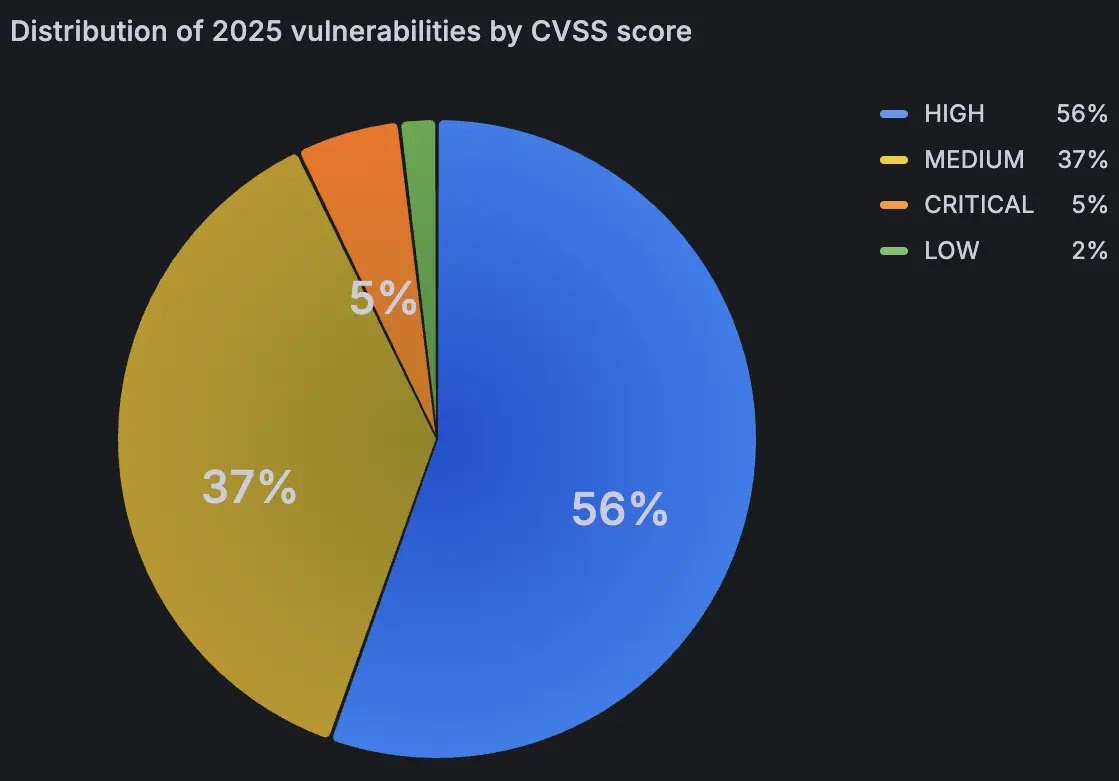
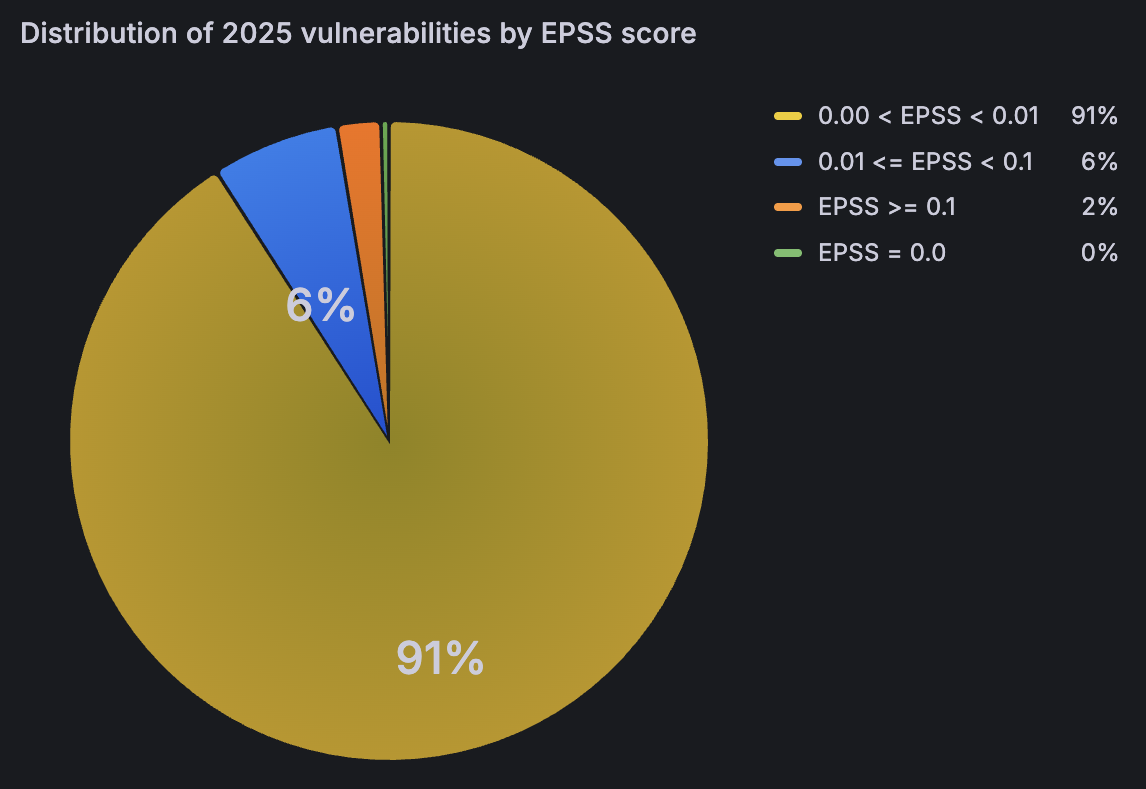
The Middle East faces elevated cyber risk, with 61% of detected vulnerabilities rated HIGH or CRITICAL, well above the global average, and 8% of vulnerabilities exhibiting an EPSS score above 1%.
This reconnaissance period provides a crucial window for defenders to act. Organizations are advised to strengthen continuous monitoring, update threat intelligence signatures, review IOCs in real time, and reduce the external attack surface by changing default credentials, particularly on OT and IoT devices. Clear IT/OT segmentation, industrial protocol baselines, and enhanced monitoring of unpatched systems are essential to prevent adversaries from advancing to privilege escalation, data theft, or full operational disruption.
Impact
- Sensitive Data Theft
- Gain Access
- Financial Loss
Indicators of Compromise
IP
- 37.1.213.152
- 184.75.210.206
- 162.0.230.185
Remediation
- Block all threat indicators at your respective controls.
- Search for indicators of compromise (IOCs) in your environment utilizing your respective security controls.
- Activate continuous monitoring of all IT and OT networks to detect suspicious activity early.
- Increase alert sensitivity to reflect the heightened threat environment.
- Update threat intelligence signatures for Iranian APT groups on a rolling basis.
- Enable real-time threat intelligence feeds and review newly published IOCs immediately.
- Change all default credentials on devices, with special attention to OT and IoT systems.
- Segment IT and OT networks to prevent lateral movement of attackers.
- Establish industrial protocol baselines so deviations trigger immediate alerts.
- Patch vulnerabilities promptly, prioritizing HIGH and CRITICAL CVSS-rated assets.
- Implement enhanced monitoring on systems that cannot be patched immediately.
- Conduct regular security audits and penetration testing to identify weak points.